Leer en español: El tensor de la fotografía
Classification
What makes a photograph good, interesting, or nothing at all? Which image is art and which is not? I have been turning this over for a while and, of course, I am not the first. In this article I propose a way of analyzing and classifying photographs using a tensor (a cube) that integrates the relevant dimensions. To begin, let us look at some interesting proposals made before.
Otto Steinert
Otto Steinert, a member of the Subjective Photography movement (Subjektive Fotografie), produced a rather illuminating analysis and classification that can serve as a basis for ours. He defined four steps (mechanical images, photographic representation, representative photographic creation and absolute photographic creation) as a form of classification:
- Mechanical images of a reproductive nature
- objective, informative or control record (souvenir photos, news press, surveillance, technical archive).
- total dependence on the subject, minimal authorial intervention, composition and framing subordinated to the fact.
- it serves to document or prove that “something happened” rather than to propose an interpretation.
- Photographic representation
- showing the object while respecting its essence, but already filtered through the photographer’s personal decisions.
- classic documentary, commissioned portraiture, advertising and fashion when they seek to describe the product or the scene clearly.
- careful choice of light, point of view and moment, but the referent remains recognizable and takes priority.
- Representative photographic creation
- transforming the object according to the demands of the image; the real subject is subordinated to the author’s personal vision.
- distortions, unusual framing, manipulation of light, contrast, focus or time; the referent is still recognizable, but interpretation dominates.
- The “subjective” sense: for Steinert, this is where true subjective photographs begin, where form and personal decision weigh more than utilitarian function.
- Absolute photographic creation
- freeing itself from the obligation to represent reality; the photograph becomes an autonomous formal construction.
- dematerialization of the object by photographic means (solarization, photograms, multiple exposures, geometric abstractions, luminograms).
- the image works as a structure of lines, shapes and tones, closer to abstract painting or design than to the document.
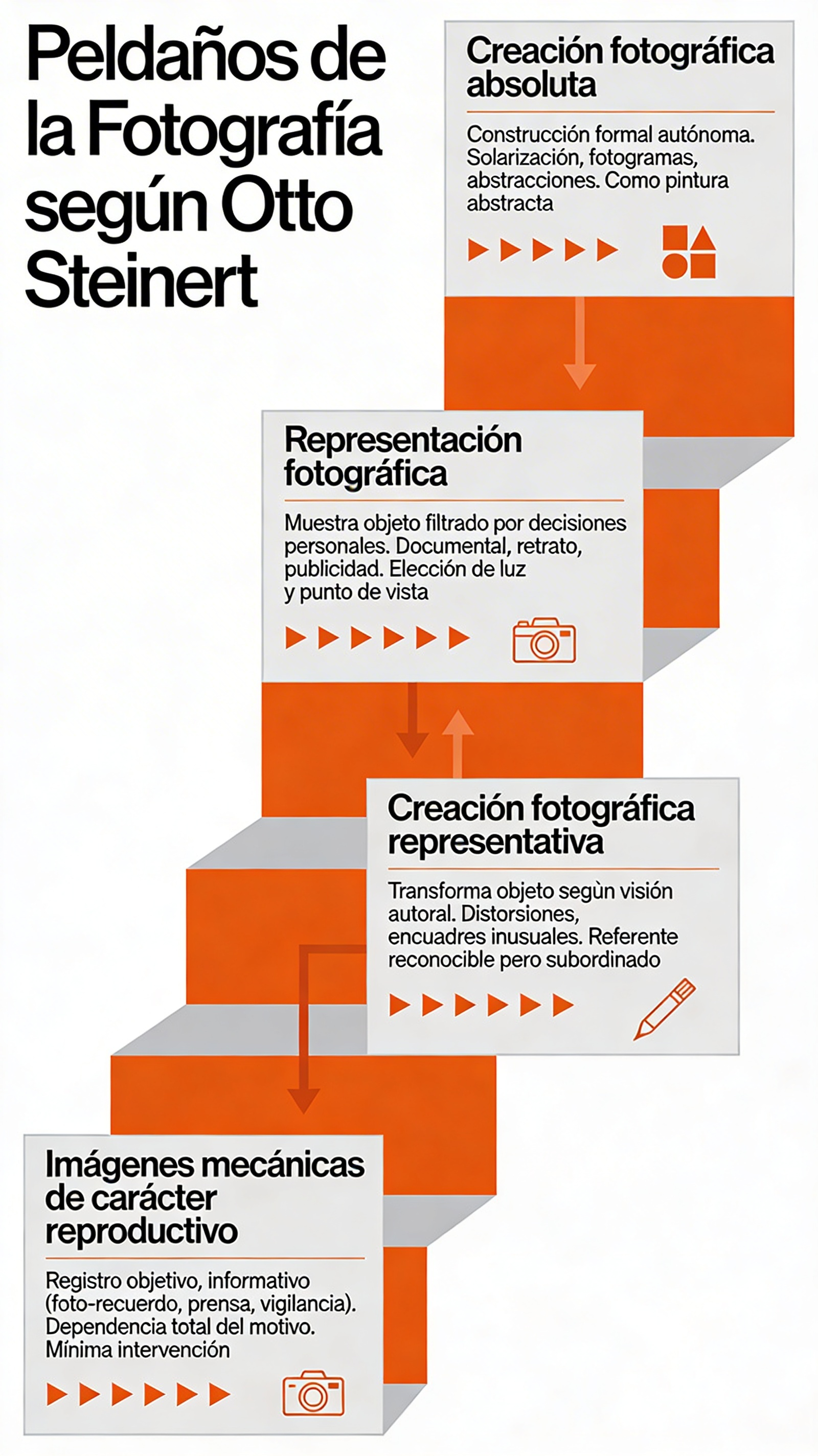
As a basis for developing our ideas, it is quite complete. Above all, it describes the intention of the image’s creator.
Another great figure who wrote and thought a lot about this is Roland Barthes; let us see what we can use from him.
Roland Barthes
Here we keep his idea that an image, once made, can produce an emotional response or an intellectual response: the punctum and the studium. This, a priori, is no use for classifying photographs, because they are not mutually exclusive levels.
In any case, there is an important distinction between the possible response of the person looking at the image and the punctum/studium that Barthes draws very precisely: studium and punctum are not exactly the same as intellectual vs. emotional response, although they overlap to a large extent.
Studium: the cultural reading
The studium is the response that any culturally competent viewer can share before a photograph. It is the domain of the photographer’s intention, of the historical, political or social context the image communicates. Barthes describes it as a wide field, almost like reading a text: you understand what the photo “means” using your logical mind and your cultural background. It is a response mediated by codes: I can look at a photo of the Spanish Civil War and understand its meaning without it “affecting” me personally.
Punctum: the wound without a code
The punctum is radically different: it is an accidental detail in the photo that “pricks” or “wounds” you in a personal, non-transferable way. Barthes defines it as something that escapes the photographer’s control and belongs to no recognizable symbolic system. You cannot teach anyone your punctum because it is yours (someone’s crooked glance, a pair of shoes that remind you of your grandmother, a shadow on the ground). It is precisely asymbolic and uncodifiable. The distinction, then, is subtler than the intellectual/emotional pair:
| Studium | Punctum | |
|---|---|---|
| Nature | Cultural, coded, shareable | Personal, accidental, non-transferable |
| Origin | The photographer’s intention | Chance, involuntary detail |
| Response | General interest, “I like it” | Wound, disturbance, “it hits me” |
| Who feels it | Any prepared viewer | Only you, at that moment |
Both can carry emotional weight: the studium of a photo about the Holocaust generates collective emotion; the punctum generates an intimate and inexplicable emotion. What Barthes rejects is the idea that every response to a photo is simply “reading” or cultural decoding. The punctum proves that photography acts on the mind and also on the body.
The tensor
The classification is still used mainly as a historical and pedagogical tool to explain Subjective Photography and the creative possibilities of the medium.
Later theories (Barthes, Krauss, Soulages, Frizot, etc.) have shifted the focus from “steps of perfection” toward questions such as index/trace, photographic regime, documentality and the construction of meaning, complicating that linear view considerably.
In contemporary practice, many authors mix functions (documentary, expressive, abstract) within a single project, so Steinert’s ladder is better understood as a map of possible positions than as a compulsory evolution.
Let us try to put all this in order.
Instead of steps or criteria that do not quite deserve the name, we propose a 3D tensor that models photography as a multidimensional cube taking into account the intention, the technique and the effect on the person looking at the photograph: Technique (Steinert) × Intention × Reading (Barthes), where each photo occupies a specific cell but studium and punctum coexist.
- X axis, Technique (Steinert): degree of fidelity to the real referent.
- Mechanical: objective record (ID photo, press).
- Representative: authorial transformation that keeps the subject legible (extreme angles, dramatic light).
- Abstract: autonomous formal construction (photograms, solarizations).
- Y axis, Authorial intention: the photographer’s creative purpose.
- Documentary: prioritizes information or proof (newspaper, archive).
- Artistic: explores form, emotion or concept (gallery, visual poem).
- Z axis, Reading (Barthes): the viewer’s experience.
- Studium: cultural decoding (recognizing the scene, the objects).
- Punctum: a detail that wounds personally (unpredictable, subjective).
- Hybrid: both at once (complete reading).
- There is no hierarchy: a mechanical photo with punctum [Documentary/Punctum] artistically surpasses an absolute one without emotion [Abstract/Studium].
- Contemporary hybridization: current photographers occupy several cells at once (Wolfgang Tillmans: Representative/Artistic/Hybrid + Abstract/Documentary/Studium).
- Multidimensional value: “quality” emerges from the vector product of the three axes, with no linear steps. Leiter succeeds because he maximizes all three dimensions.
- Dynamic reception: the same photo migrates between cells depending on the viewer and the context (a family photo: Album/Studium for some, Punctum for others).
Some current photographers occupy several cells at once (Wolfgang Tillmans: Representative/Artistic/Hybrid + Abstract/Documentary/Studium).
“Quality” emerges from the vector product of the three axes, with no linear steps. Saul Leiter, for example, succeeds because he maximizes all three dimensions.
The same photo moves between cells depending on the viewer and the context (a family photo: Album/Studium for some, Punctum for others).
This tensor turns Steinert’s rigid ladder into a navigable cube, where every image finds its exact place and every cell has equal creative potential. With this model, photography is no longer seen as an evolution and unfolds in every direction.
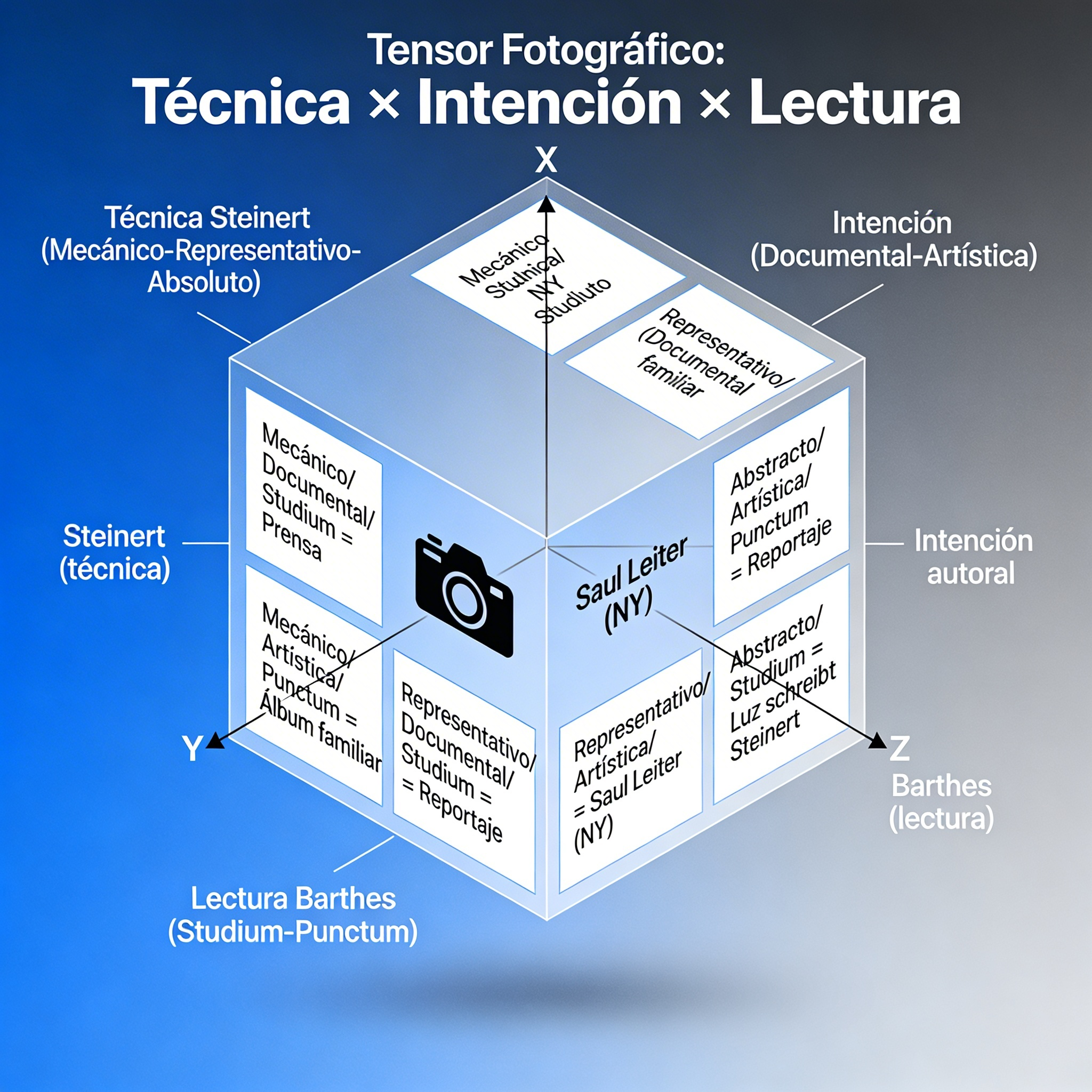
The tensor unfolded: 18 possible positions
| Reading / Technique | Mechanical | Representative | Abstract |
|---|---|---|---|
| Documentary/Studium | Objective press | Authorial reportage (Capa) | Formal essay (Ruiz) |
| Documentary/Punctum | Police photo (a disturbing stain) | Leiter: legible window | Photogram as emotional evidence |
| Artistic/Studium | Descriptive family album | Expressive portrait (Avedon) | Luz schreibt (structures) |
| Artistic/Punctum | A memento that wounds | Leiter: accidental reflection | Evocative solarization |
| Hybrid S+P | ID photo with an intimate gesture | Leiter’s street poetry | Abstract texture that wounds |
Analysis of iconic cases
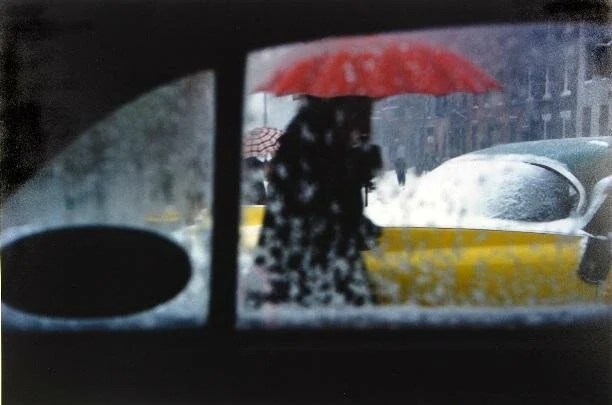
Saul Leiter, “Red Umbrella” (1950): [Representative, Artistic, Hybrid]
A New York street transformed by rain and reflections (representative technique), poetic intention over documentation (artistic), studium of urban atmosphere + the punctum of the red bleeding into the gray.
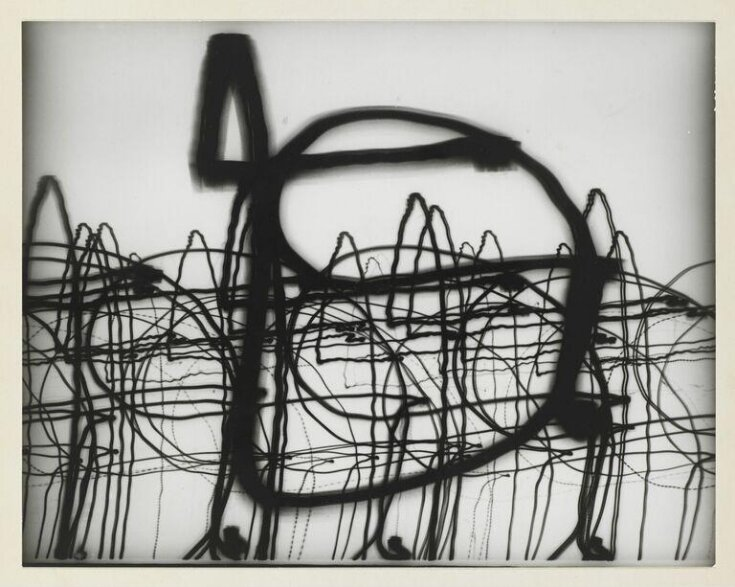
Steinert, “Luz schreibt” (1952): [Abstract, Artistic, Studium]
A pure photogram without a referent (absolute technique), formal intention (artistic), a cultural reading of luminous calligraphy without a personal punctum.
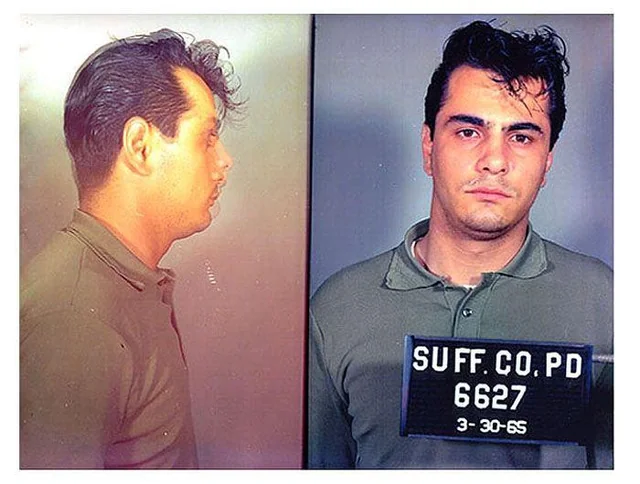
Anonymous police photo (John Gotti in an early mugshot, 1965): [Mechanical, Documentary, Punctum]
A literal record (mechanical technique), an evidentiary function (documentary), but an accidental shadow wounds more than any abstraction.


Deja una respuesta